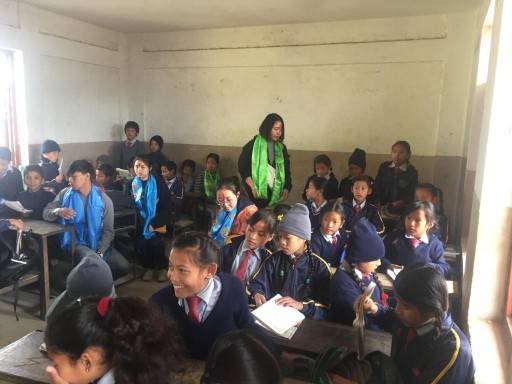
 Nepal: COMPUTER EDUCATION
 Nepal: COMPUTER EDUCATION
 Login or create an account on Free to apply

Permanent Project
- Participation Fees : 250 EUR
- Between 18 and 65 years old
- English, Nepali
- Vaccine informations
- Visa informations

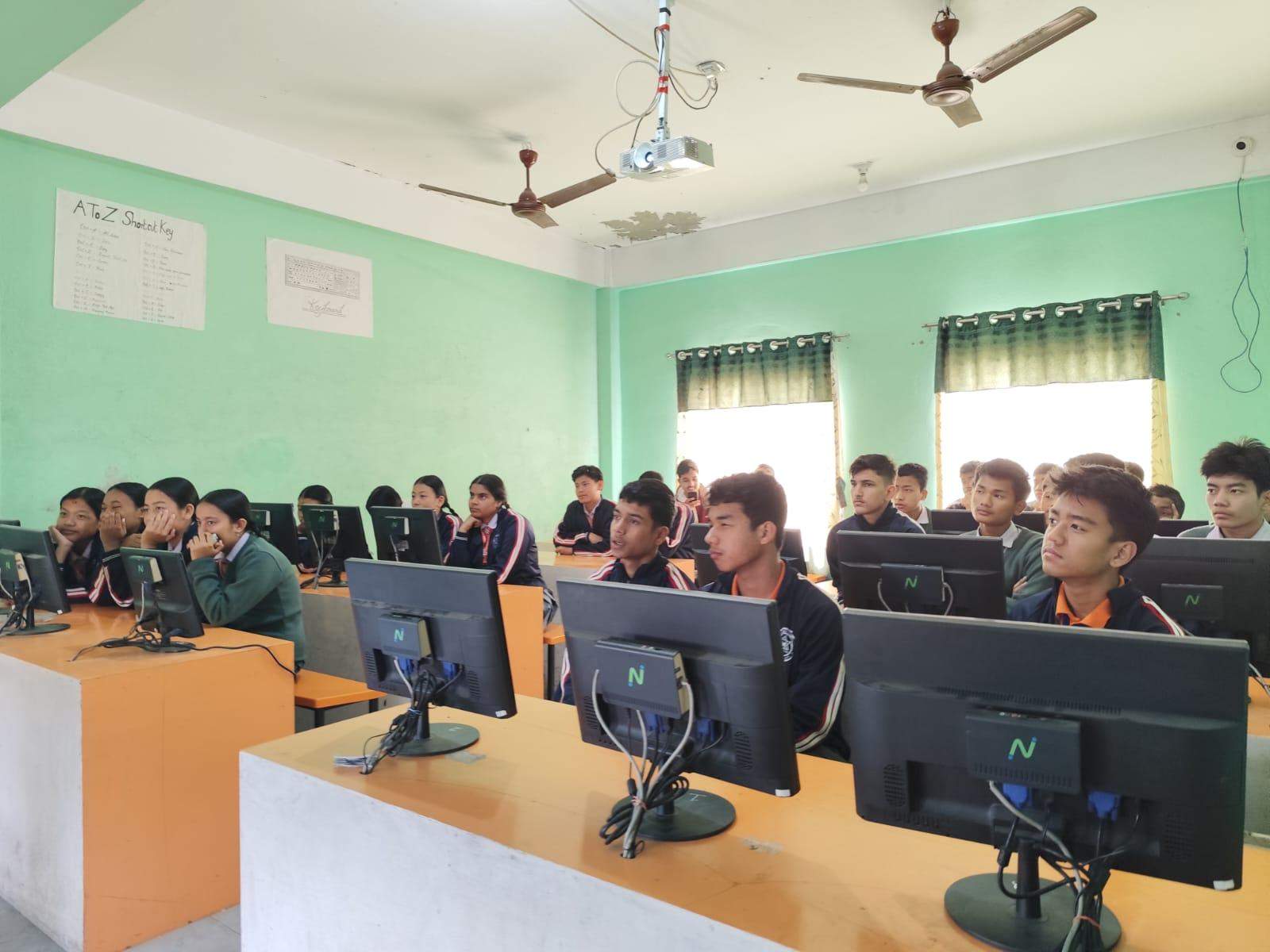
Nepal is an underdeveloped country. Years of political conflict, poverty and lack of education have prevented the Nepalese people from getting the chances they deserve. At the Friendship Foundation Nepal (FFN), we believe it’s our responsibility to help and try to improve those conditions, but improvements take time. To better a society you must first live in it. In order to change a country’s conditions you must first experience those conditions firsthand. Only after experiencing them you can share your knowledge through teaching, sharing ad interacting, which can in turn have a lasting effect on the local population. You might discover that living with a local family and adjusting to the Nepali lifestyle will have a lasting effect on you too.Computer education has become an important part of modern education because computers and digital technology are now widely used in schools, workplaces, communication, business, and everyday life. Computer education does not only teach students how to operate a computer; it also helps them develop digital literacy, problem-solving skills, creativity, and confidence in using technology.In many developing countries, including Nepal, access to quality computer education is still unequal, particularly in government and rural schools. Some schools have limited computers, internet facilities, trained teachers, or opportunities for practical learning. As a result, students may complete their basic education without developing the digital skills needed for further study and future employment.Computer education at the basic level can introduce students to essential skills such as identifying computer parts, using a keyboard and mouse, creating and editing simple documents, using educational software, searching for information safely, and understanding basic digital safety. Practical learning is especially important because students can learn more effectively when they have opportunities to use computers themselves.International and national volunteers can contribute to improving computer education by supporting local teachers and providing practical learning activities in government schools. Through a teaching exchange, volunteers can share their knowledge and teaching methods while learning about Nepalese education, culture, community life, and the experiences of local teachers and students. Such cooperation can create opportunities for both students and volunteers to learn from one another.The overall goal of computer education is therefore to help students become confident, responsible, and capable users of digital technology, while supporting schools in improving the quality and accessibility of education.
Volunteers support basic computer education in government schools, helping students develop essential digital skills for their education and everyday lives. The program focuses on practical, age-appropriate lessons such as basic computer operations, typing, Microsoft Office applications, internet awareness, online safety, and other fundamental digital skills.Through interactive teaching, demonstrations, and practical activities, volunteers can share their knowledge and introduce students to new ways of learning with technology. At the same time, volunteers have a valuable opportunity to learn from local teachers, students, and the Nepali education system while experiencing the daily life and culture of the local community.The program promotes knowledge sharing and mutual learning between international volunteers, national volunteers, teachers, and students, contributing to improved digital literacy in government schools.The volunteer will be teaching Computer Science to children between 6 and 15 years of age. However, since schools are always in need of teachers, it’s possible for the volunteer to also teach English, Math and Science. In Nepal school goes from 10 am to 4 pm. The volunteer will teach 3-5 classes each day, with each class lasting 45 minutes.
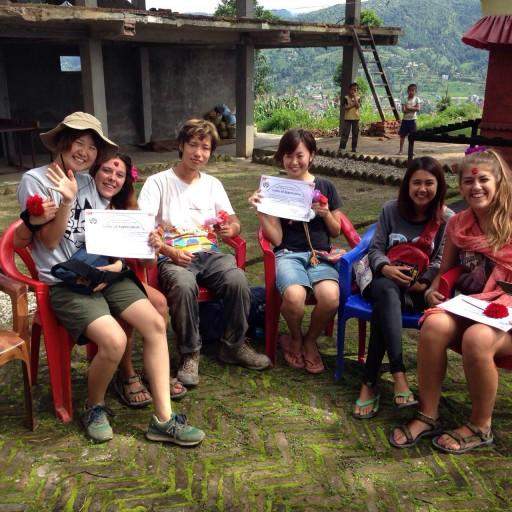
You will live with a Nepali family close to the school, and experience their hospitality, friendliness and immerse yourself in their unique lifestyle. You’ll be welcomed as a member of the family and of the local community. At least one member of the family will speak English. Nepali houses are simple, with basic facilities (squat toilet, shower, kitchen, etc). Most families DO NOT have hot showers, but most of them have western style toilets. Just don’t expect to find the same facilities as in your home country. You’ll get your ow room and the family will respect your privacy. Every morning and evening you’ll eat together with FFN staff. We provide living accommodations all over Nepal. Depending on your interest and willingness, you ca choose to stay in a variety of different places: in or around the Kathmandu Valley, Pokhara, Tanahun, Lamjung, Chitwan, Makwanpur or Nawalparasi. You could stay in a secluded village, where people live in a more traditional way and provide for themselves through farming, which is also a great opportunity to explore the real rural Nepal, or you could opt for a more urban and modern Nepal experience in one of the bustling and fast-growing cities, like Kathmandu or Pokhara.
Volunteers will have opportunities to enjoy their free time before and after the holiday period. They can explore local communities, experience Nepali culture and traditions, visit nearby historical and cultural sites, enjoy local food, meet local people, and participate in social and recreational activities.They may also use their free time to travel around Kathmandu Valley and other parts of Nepal, go for short hikes, visit temples and heritage sites, enjoy nature, or simply relax and spend time with fellow volunteers and host families.These activities provide volunteers with a valuable opportunity to learn more about Nepalese people, culture, lifestyle, and traditions while creating meaningful memories beyond their volunteer work.
Saturdays are holidays, and Fridays are half-holidays, so you'll have time to discover the region, to get to know the culture, traditions and wonderful places! Also, a full day culture and heritage tour in Kathmandu is included, to visit a UNESCO World Heritage Site. Before the project starts, we strongly advise that you attend our 3-day orientation seminar at the Training Center in Kathmandu, which aims to provide basic knowledge about the Nepalese education system, culture, dress, food, as well as detailed information about the project, the school, Nepali language classes and much more.
61623;Seasonal clothing61623;Sleeping bag61623;Comfortable shoes61623;Mosquito net61623;Music player61623;Reading materials61623;Photos from your home country61623;Optional but appreciated: pencils, pens, notebooks, and textbooks for children (all available at reasonable prices in Kathmandu)
For more information :
- Various security informations:
-
Call us:
+32 2 888 67 13 -
WhatsApp
+32 2 888 67 13


